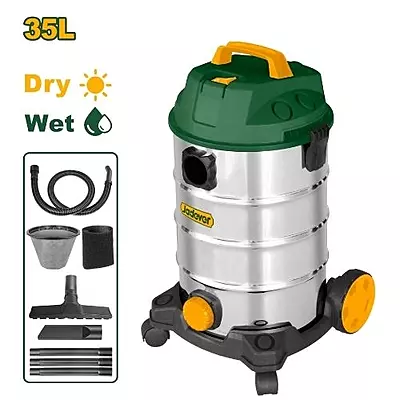
Vacuum Cleaner
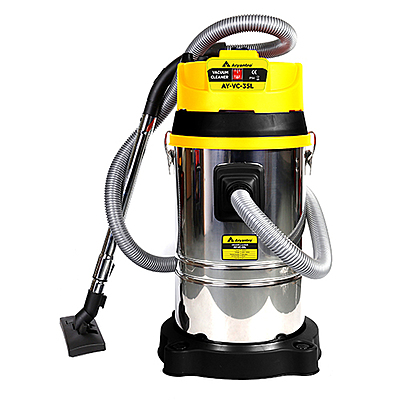
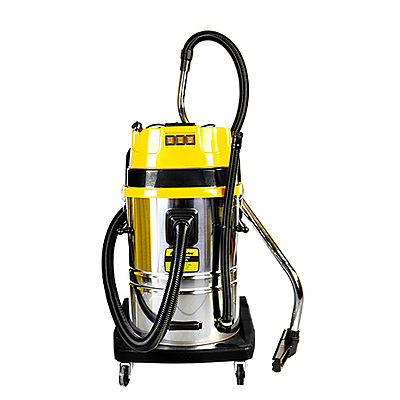
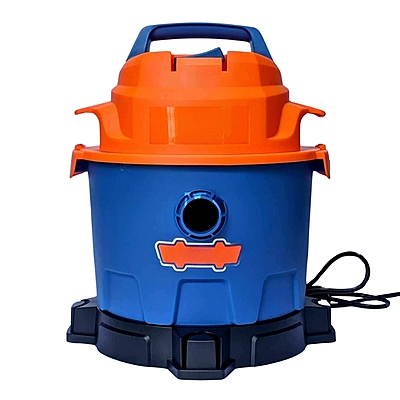
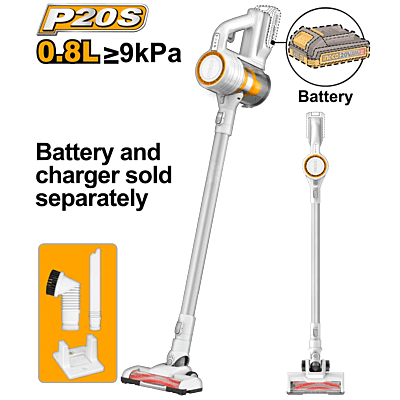
Toolsmatic offers vacuum cleaners online for home, workshop, garage, automotive, commercial, and maintenance applications. Choose a vacuum based on suction power, collection capacity, filtration, wet-and-dry capability, portability, accessories, and intended use.
Key Features
Powerful Suction
Strong suction helps collect dust, dirt, debris, and other suitable materials efficiently. Performance can vary depending on motor power, airflow, filtration, hose, and nozzle design.
Wet and Dry Cleaning
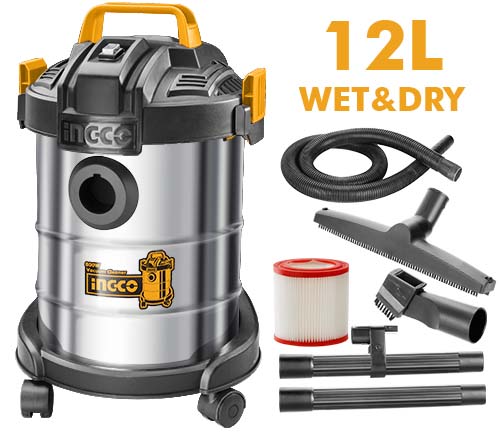
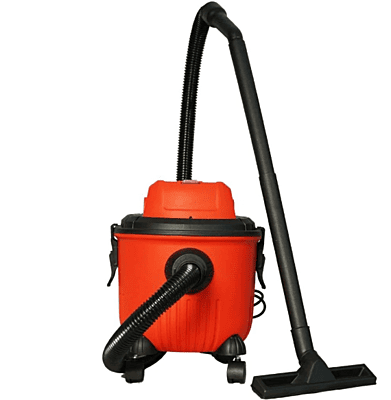
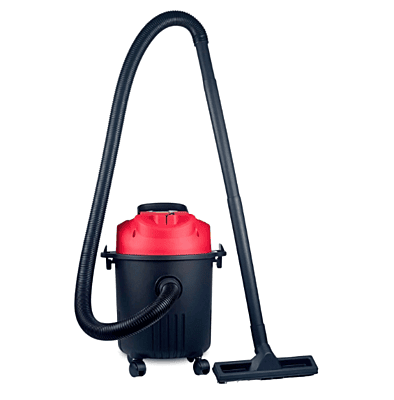
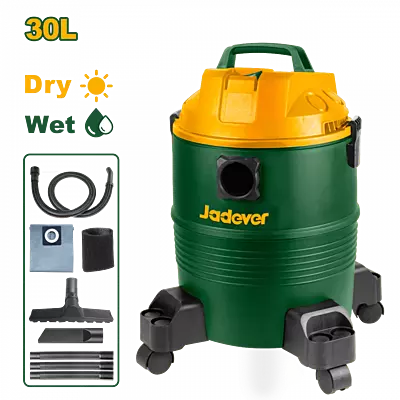
Wet-and-dry vacuum cleaners are designed to collect compatible dry debris and liquid materials. They are useful for garages, workshops, automotive cleaning, maintenance, and other suitable applications.
Always confirm that the vacuum is designed for wet cleaning before collecting liquids.
Large Collection Capacity
A larger collection tank can reduce the need for frequent emptying during extended cleaning tasks. Smaller tanks may be easier to carry and store.
Filtration
A suitable filter helps capture dust and particles while maintaining airflow. Clean or replace filters according to the manufacturer's recommendations.
Accessories
Depending on the model, accessories may include:
Floor nozzles
Crevice tools
Extension tubes
Flexible hoses
Brushes
Wet/dry attachments
Utility nozzles
Types of Vacuum Cleaners
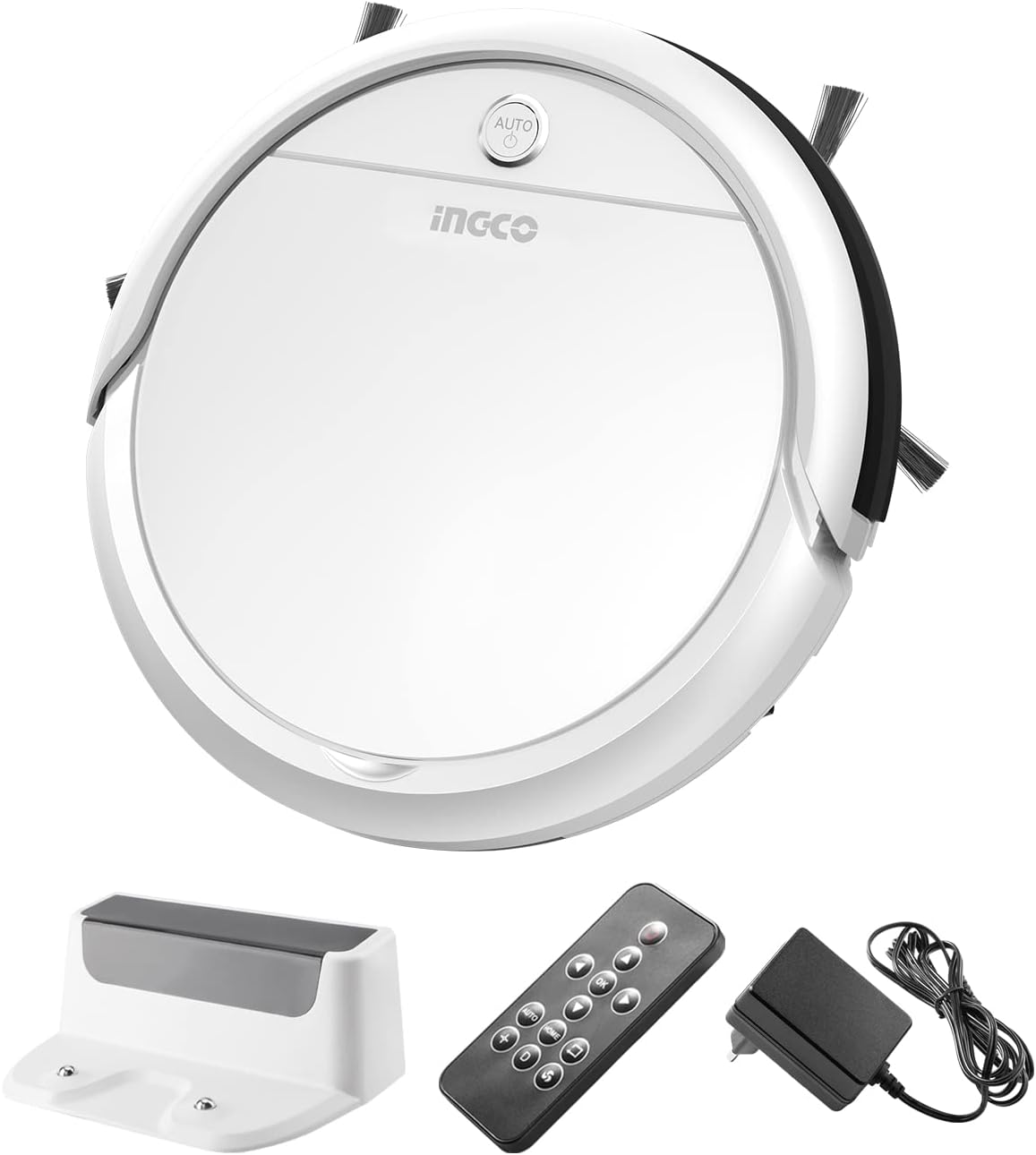
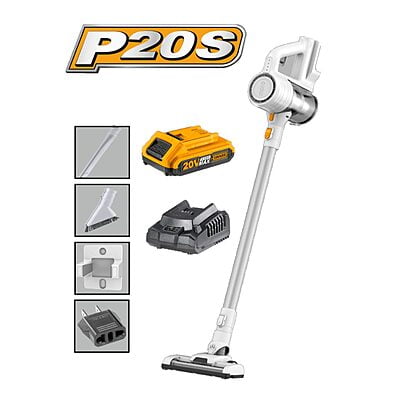
Household Vacuum Cleaners
Designed for everyday cleaning of dust, dirt, crumbs, and suitable debris from household surfaces.
Wet and Dry Vacuum Cleaners
Designed to handle compatible dry debris and liquids, making them useful for garages, workshops, maintenance areas, and automotive applications.
Workshop Vacuum Cleaners
Suitable for collecting workshop dust, sawdust, shavings, dirt, and other compatible debris. Consider suction, filtration, capacity, and accessories.
Garage Vacuum Cleaners
Useful for removing dust, dirt, leaves, and loose debris from garage floors and work areas. Wet-and-dry models can provide additional versatility.
Automotive Vacuum Cleaners
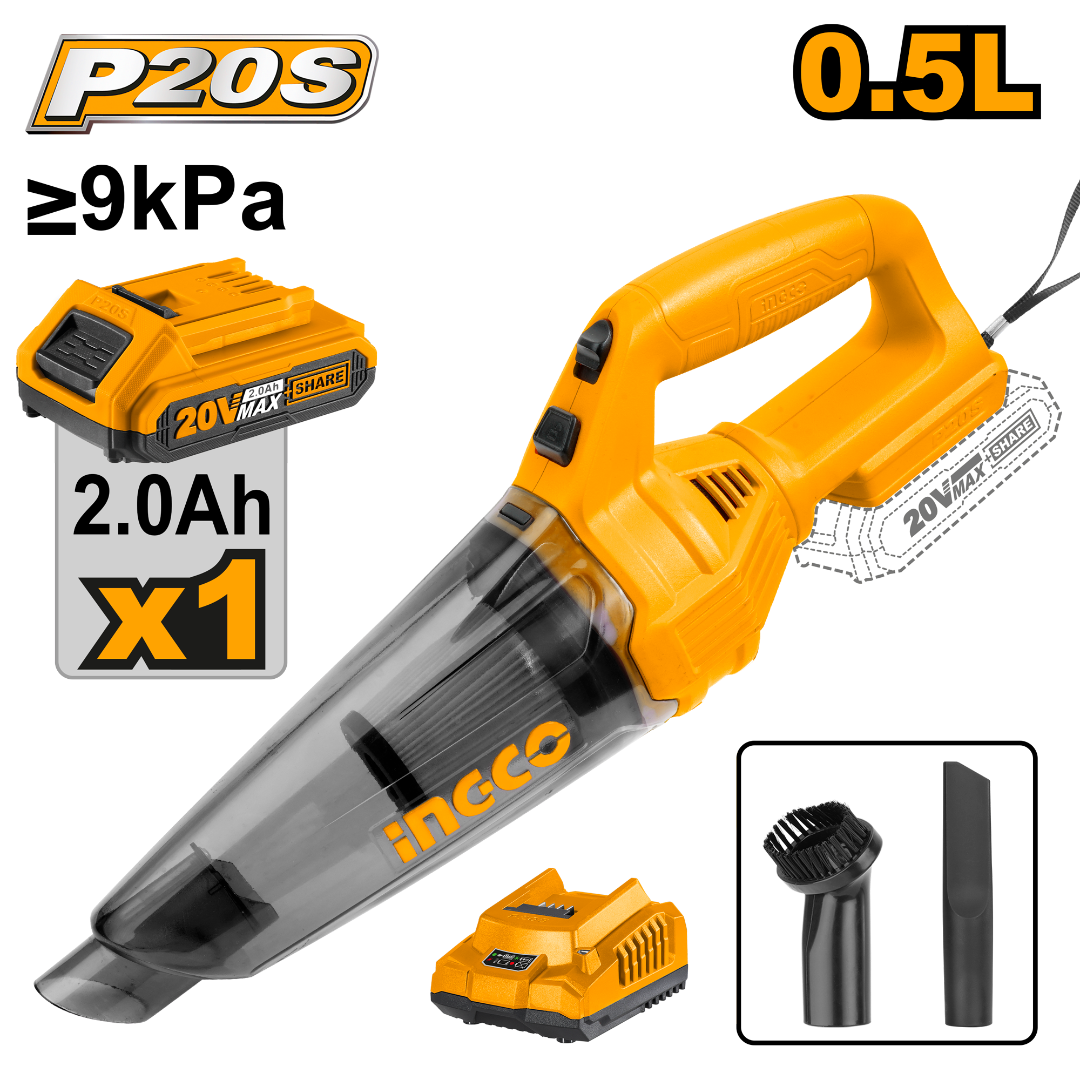
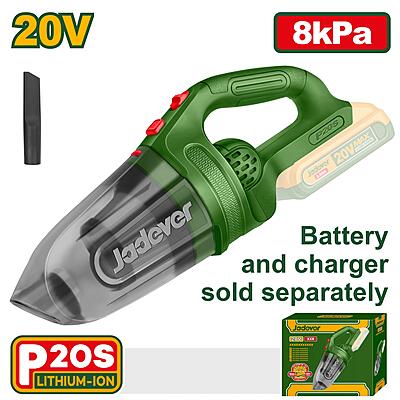
Designed for cleaning vehicle interiors, including seats, carpets, floors, storage areas, and other accessible spaces. Crevice tools and brushes can help reach narrow areas.
Commercial Vacuum Cleaners
Suitable for commercial and maintenance environments where larger cleaning areas or frequent use may require greater capacity, filtration, suction performance, and durability.
Applications
Vacuum cleaners can be used for:
Home cleaning
Workshop cleaning
Garage cleaning
Car interior cleaning
Construction cleanup
Dust collection
Commercial cleaning
Maintenance applications
Always ensure the vacuum is suitable for the specific material and application.
How to Choose a Vacuum Cleaner
Consider the following before buying a vacuum cleaner:
Type of debris: Determine whether you need to collect dry dust, dirt, larger debris, liquids, or a combination.
Suction performance: Strong and consistent suction can improve debris collection. Consider airflow and filtration along with motor power.
Tank capacity: Choose a capacity based on the amount of debris generated. Larger tanks are useful for extended cleaning.
Wet-and-dry capability: Choose a wet-and-dry model if you need to collect compatible liquids as well as dry debris.
Filtration: Select a filter appropriate for your application and maintain it regularly.
Accessories: Consider floor nozzles, crevice tools, brushes, extension tubes, and other attachments required for your cleaning tasks.
Portability: Check the machine's size, weight, handles, wheels, and storage requirements if it needs to be moved frequently.
Hose length: A suitable hose can provide better reach when cleaning vehicles, workshops, garages, and larger areas.
Vacuum Cleaner Maintenance
Regular maintenance can help maintain performance and extend equipment usability.
Empty the collection container regularly.
Clean or replace filters as recommended.
Check the hose for blockages or damage.
Inspect nozzles, brushes, and other accessories.
Keep the vacuum and vents clean.
Store the machine in a suitable location.
Disconnect power before cleaning or maintenance.
Safety & Usage Tips
Read the manufacturer's instructions before use.
Use the correct filter and accessories.
Do not vacuum materials the machine is not designed to handle.
Do not collect liquids with a dry-only vacuum.
Do not exceed the recommended collection capacity.
Keep electrical components dry where required.
Disconnect power before maintenance.
Follow all model-specific safety instructions.
Why Buy Vacuum Cleaners from Toolsmatic?
Toolsmatic provides vacuum cleaners for household, workshop, garage, automotive, commercial, and maintenance applications.
Along with vacuum cleaners, Toolsmatic offers pressure washers, blowers, power tools, workshop equipment, and cleaning solutions.
Choose a vacuum cleaner based on the cleaning environment, type of debris, required suction, collection capacity, filtration, wet-and-dry requirements, portability, and accessories.
Frequently Asked Questions
What is a vacuum cleaner used for?
Vacuum cleaners are used to collect dust, dirt, debris, and other suitable materials from homes, vehicles, workshops, garages, commercial spaces, and other environments.
What is a wet and dry vacuum cleaner?
A wet and dry vacuum cleaner is designed to collect compatible dry debris and liquid materials. It can be useful for workshops, garages, automotive cleaning, and maintenance applications.
Which vacuum cleaner is best for workshops?
A workshop vacuum should provide suitable suction, filtration, collection capacity, and accessories for the type of debris being collected.
Can a vacuum cleaner be used to clean a car?
Yes. A suitable vacuum cleaner can remove dust, dirt, crumbs, and loose debris from vehicle interiors. Crevice tools and brushes can help clean narrow spaces.
Can all vacuum cleaners collect liquids?
No. Only vacuum cleaners specifically designed for wet cleaning should be used to collect liquids.
How often should a vacuum cleaner filter be cleaned?
Filter maintenance depends on the model and application. Inspect, clean, or replace filters according to the manufacturer's recommendations.
How do I choose the right tank capacity?
Choose the tank size according to the amount of material normally collected. Larger tanks are useful for extended cleaning, while smaller tanks can be easier to handle and store.
Does higher motor power mean better suction?
Not always. Motor power is only one factor. Airflow, filtration, hose design, nozzle design, and collection capacity can also affect performance.
What accessories should a vacuum cleaner have?
Common accessories include floor nozzles, crevice tools, brushes, flexible hoses, extension tubes, and wet/dry attachments. Choose accessories based on your cleaning requirements.
How can I maintain vacuum cleaner suction?
Empty the collection container regularly, check the hose and accessories for blockages, and maintain the filter according to the manufacturer's recommendations.
Can vacuum cleaners be used for construction cleanup?
Some models are suitable for compatible construction dust and debris. Always check the vacuum's specifications and filtration requirements before use.
Are vacuum cleaners suitable for commercial cleaning?
Yes. Suitable models can support commercial cleaning. Consider capacity, suction, filtration, durability, portability, and frequency of use.
What should I consider before buying a vacuum cleaner?
Consider the intended application, type of debris, suction performance, tank capacity, filtration, wet-and-dry capability, hose length, accessories, portability, and storage requirements.
Find the Right Vacuum Cleaner
The right vacuum cleaner can make cleaning and maintenance faster and more convenient. From home cleaning and automotive applications to workshops, garages, commercial spaces, and maintenance environments, different vacuum cleaners are designed for different requirements.
Toolsmatic offers vacuum cleaners for a range of applications. Choose a model based on the type of debris, cleaning environment, required capacity, suction performance, filtration, wet-and-dry capability, and accessories.