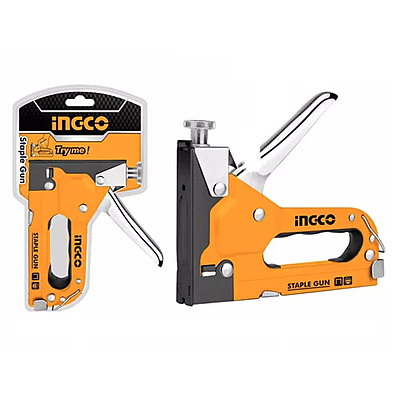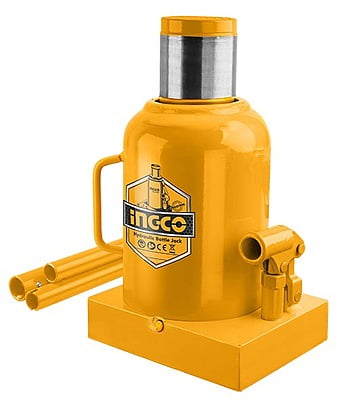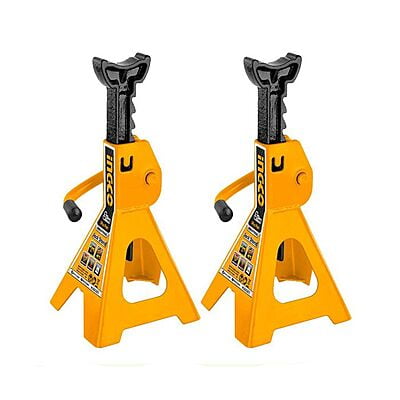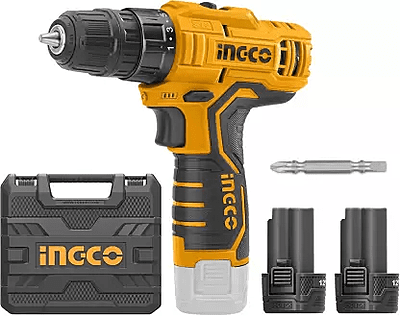
Power Tools
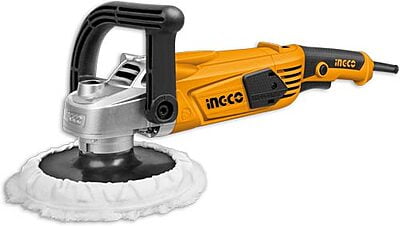
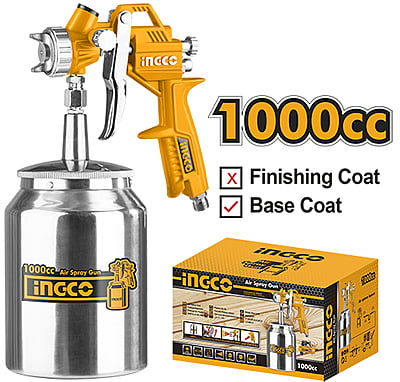
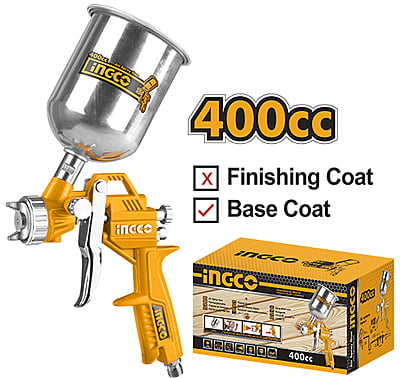
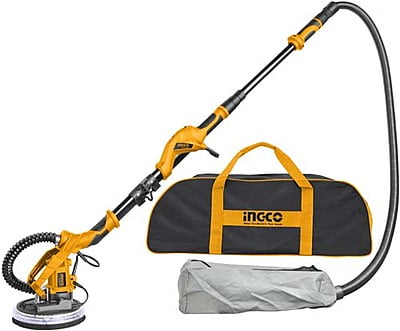
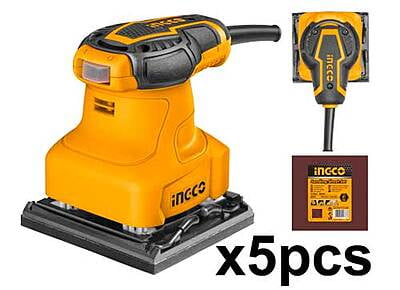
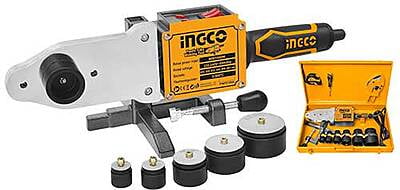
Power tools are designed to make drilling, cutting, grinding, fastening, sanding, polishing, demolition, construction, and maintenance tasks faster and more efficient than many manual alternatives. They are widely used across workshops, construction sites, fabrication units, repair work, and home projects.
Toolsmatic offers a wide selection of power tools online for professionals, contractors, technicians, workshops, tradespeople, fabricators, and DIY enthusiasts.
Types of Power Tools
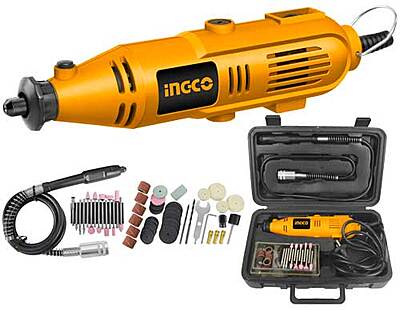
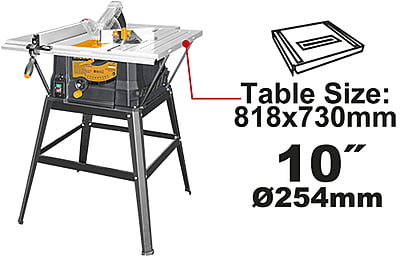
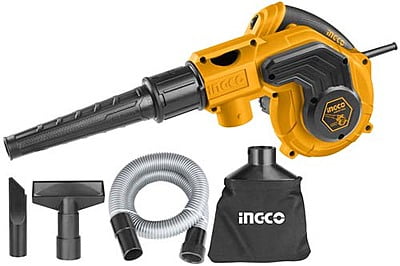
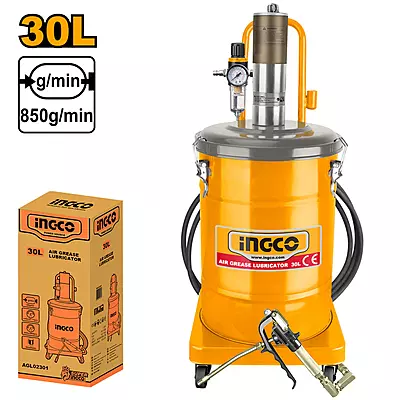
Different power tools are designed for specific applications. Common types include:
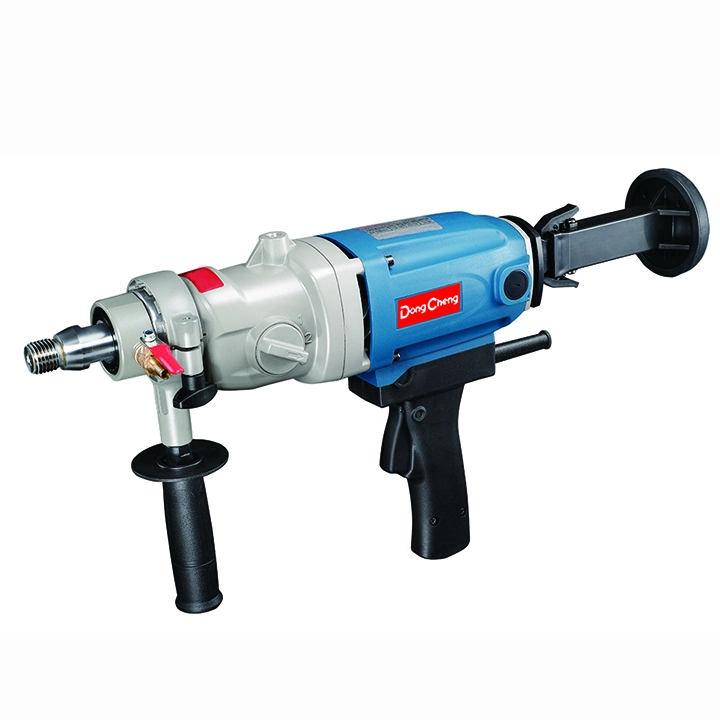
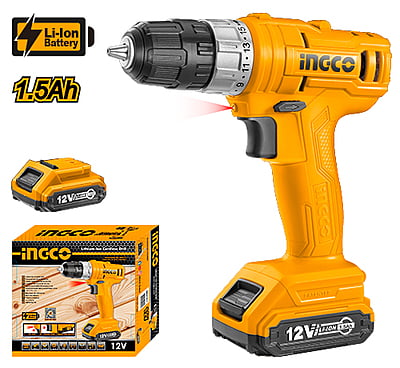
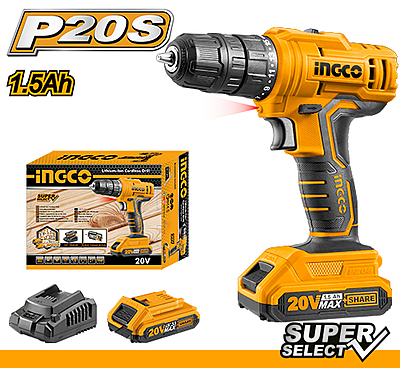
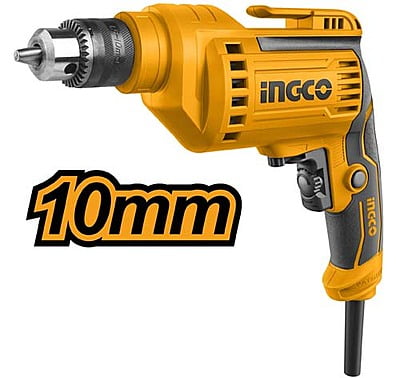
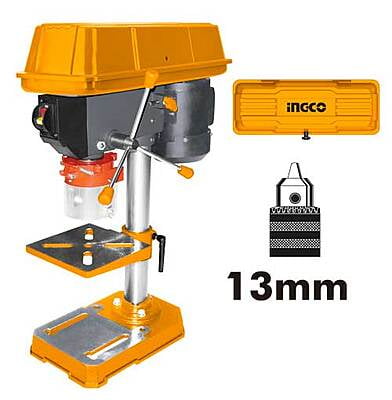
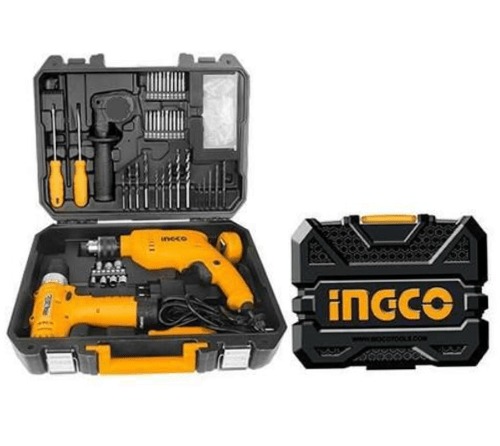
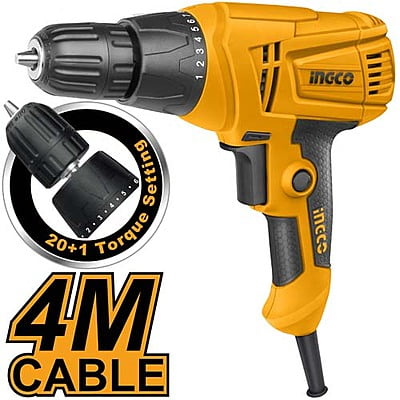
- Drills
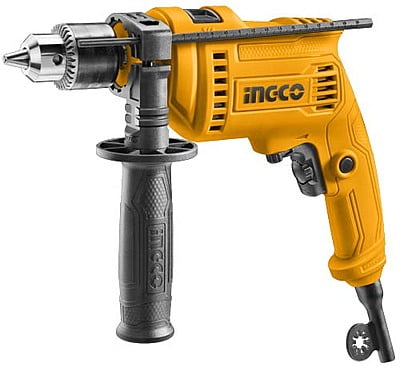
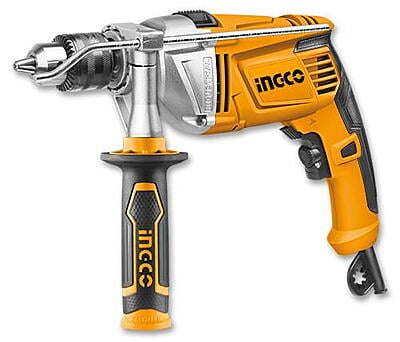
- Impact drills
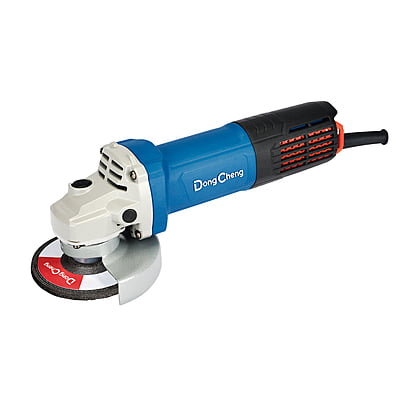
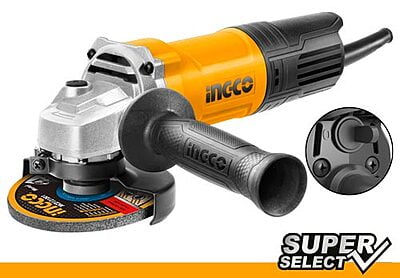
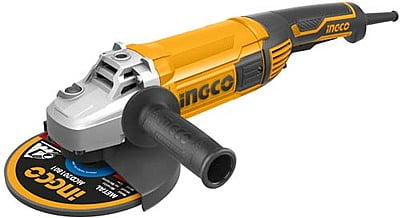
- Angle grinders
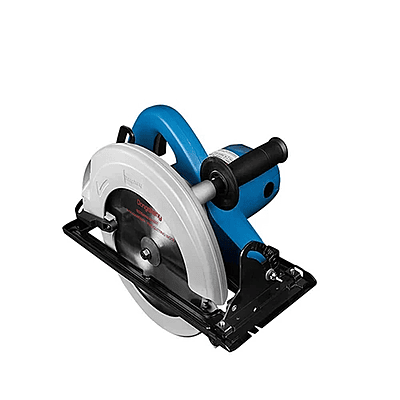
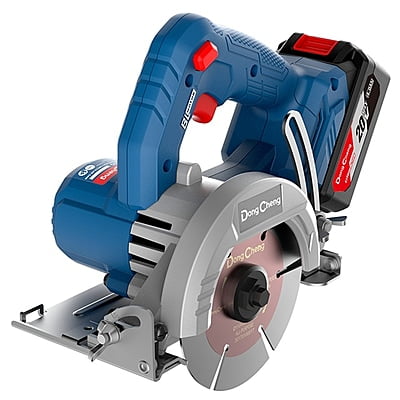
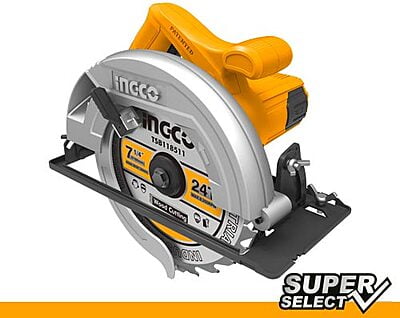
- Circular saws
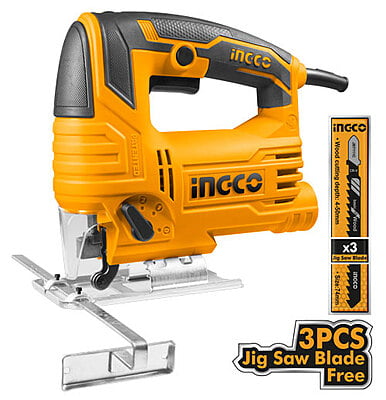
- Jigsaws
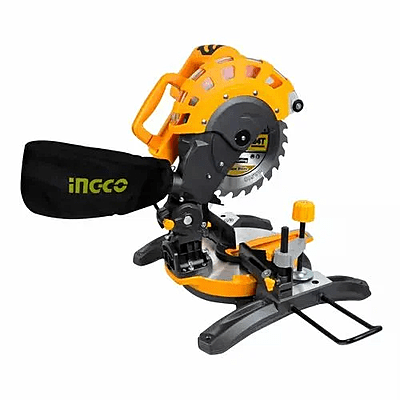
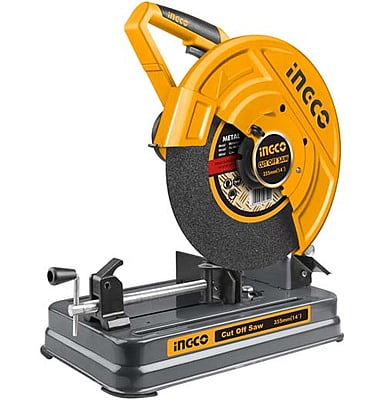
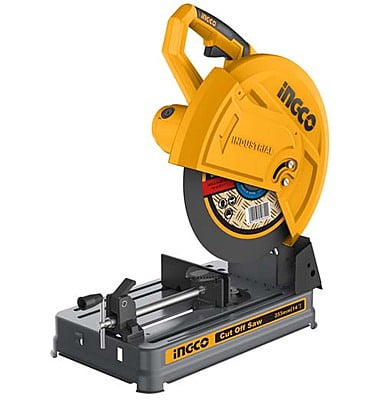
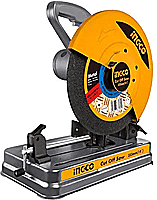
- Cut-off saws
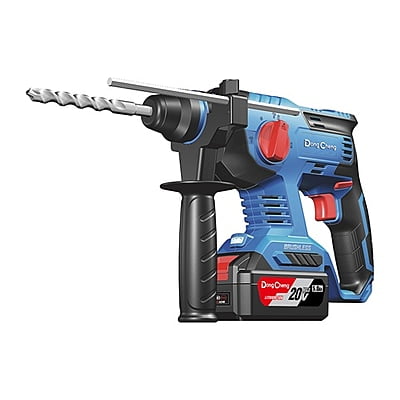
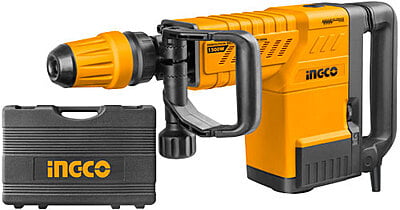
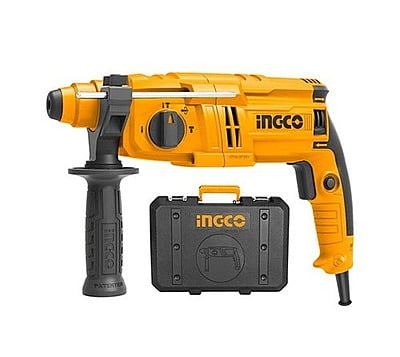
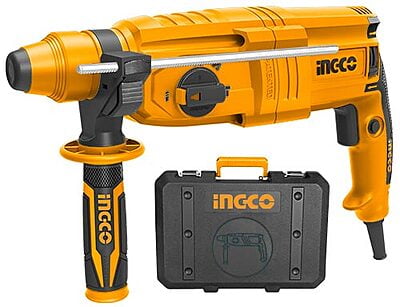
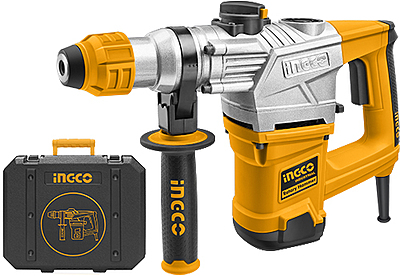
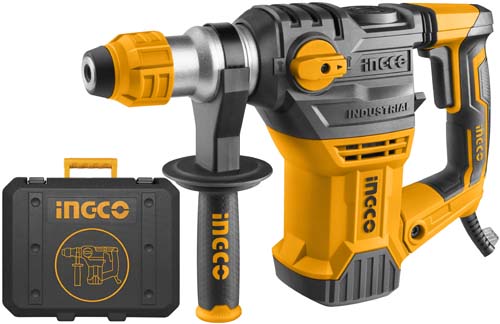
- Rotary hammers
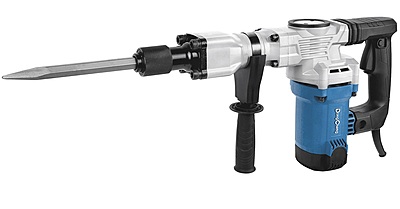
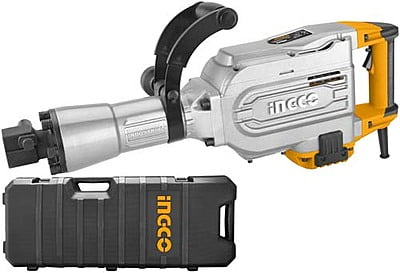
- Demolition breakers
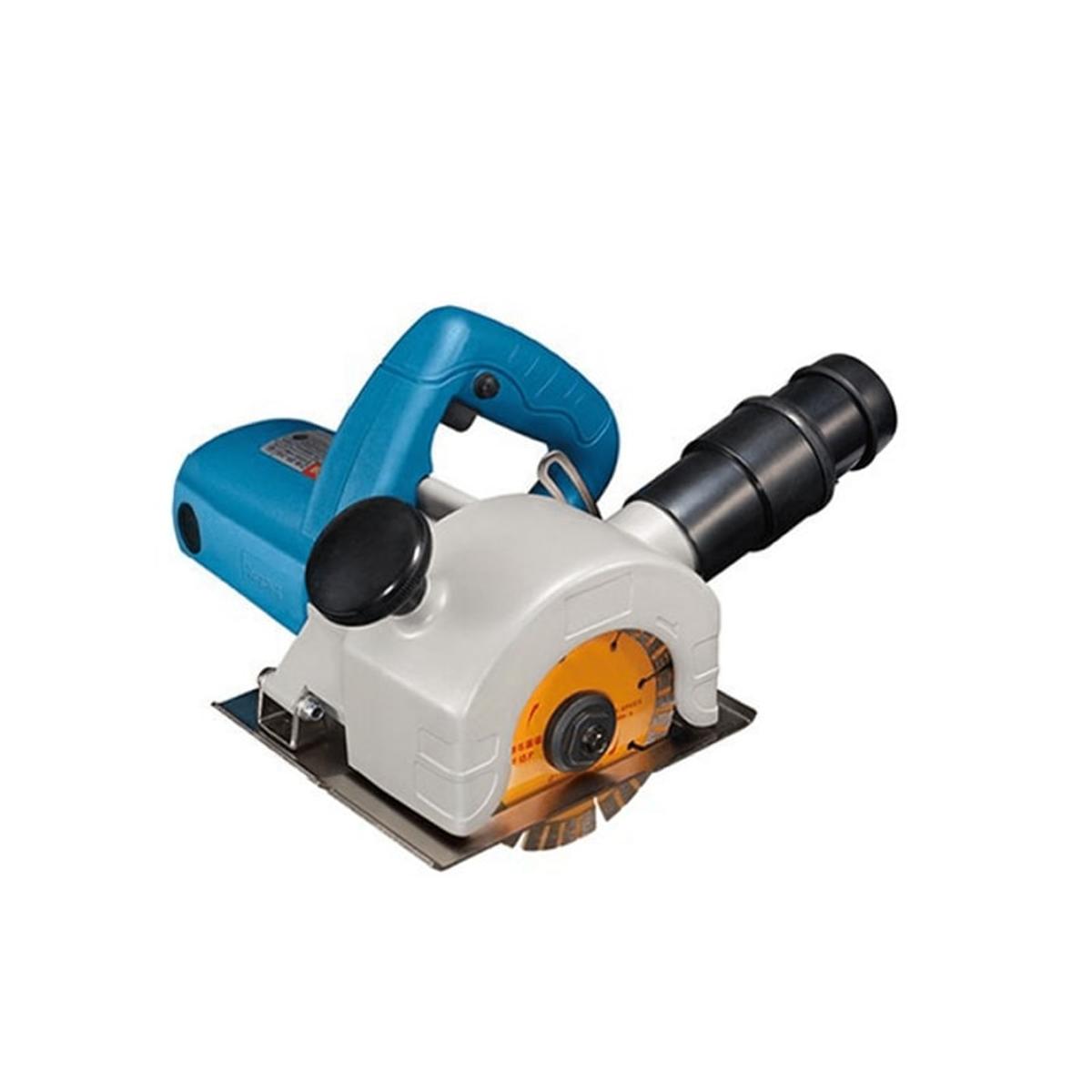
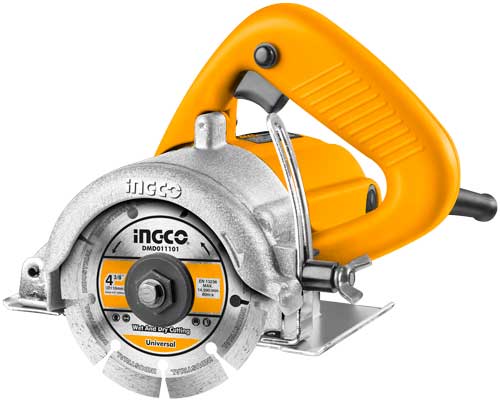
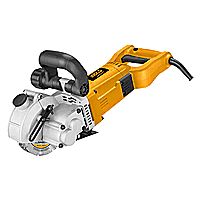
- Marble cutters
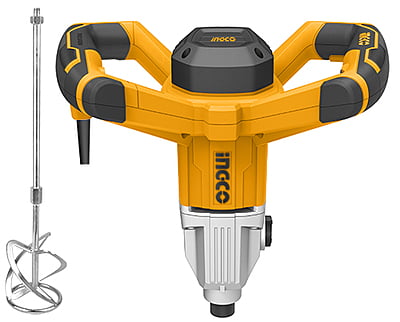
- Mixers
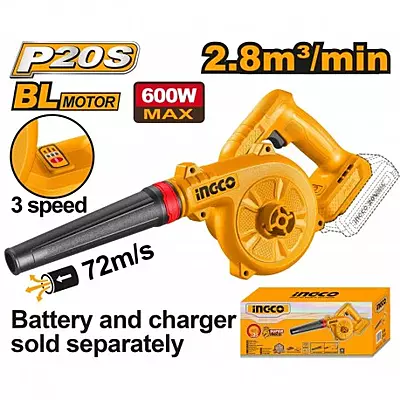
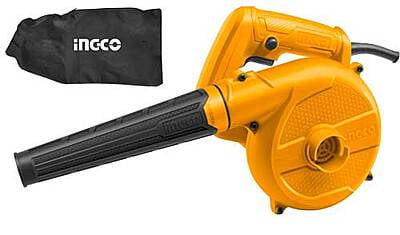
- Blowers
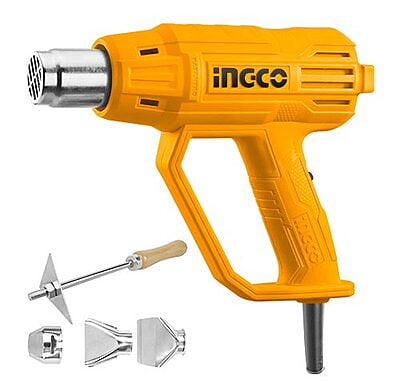
- Heat guns
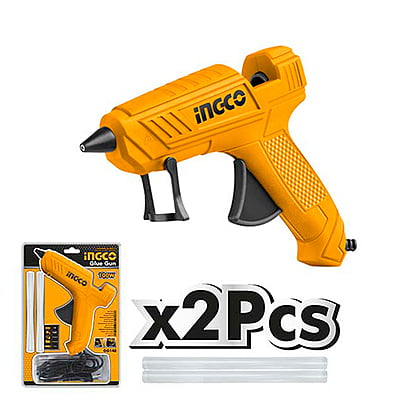
- Glue guns
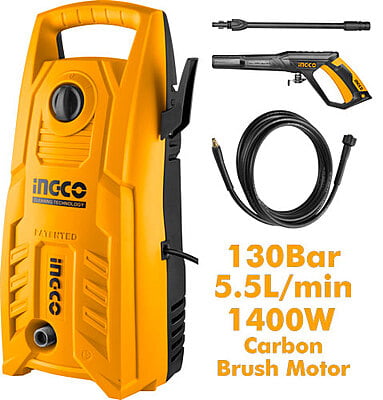
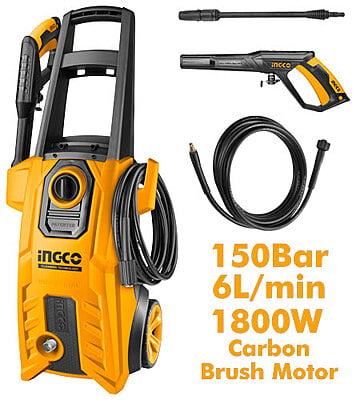
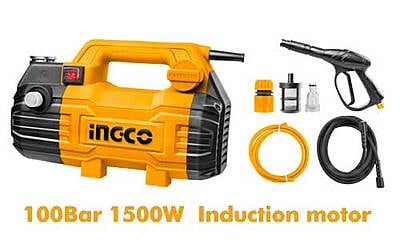
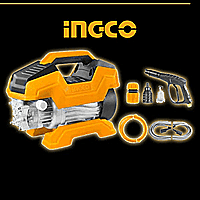
- Pressure washers
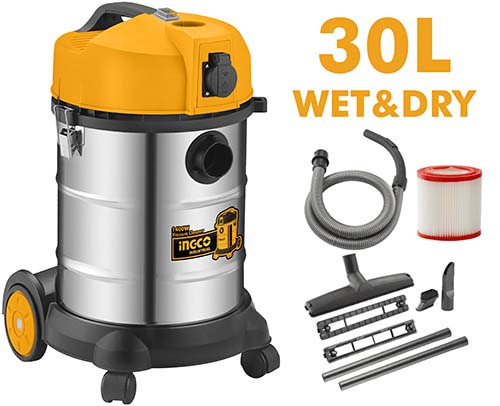
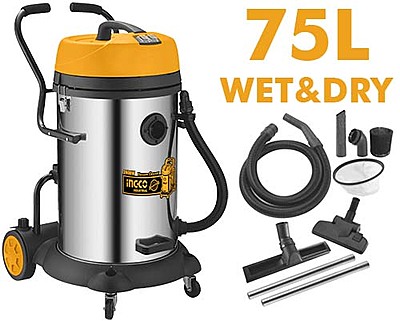
- Vacuum cleaners
Each tool can be selected according to the material, task, working environment, and required performance.
Key Benefits
Faster Work
Power tools can significantly reduce the time and effort required for repetitive or demanding tasks compared with many manual tools.
Better Productivity
The right power tool can provide consistent performance and help users complete drilling, cutting, grinding, sanding, fastening, and other tasks more efficiently.
Versatility
Many power tools support different accessories, attachments, or blades, allowing one tool to be used for multiple suitable applications.
Convenient Operation
Depending on the design, features such as variable speed, cordless operation, ergonomic handles, adjustable settings, and compact construction can improve handling and user convenience.
How to Choose Power Tools
When selecting a power tool, consider the following factors:
- Motor or tool power
- Operating speed
- Voltage
- Battery capacity for cordless tools
- Tool size and weight
- Compatible accessories
- Ergonomics and handling
- Intended application
- Frequency of use
- Working environment
Choose a tool based on the specific job requirements and the materials you plan to work with. The correct tool and accessory combination can help improve efficiency, control, and overall performance.
Safety Tips
Power tools should always be operated according to the manufacturer's instructions. Follow appropriate safety practices, including:
- Wear suitable personal protective equipment (PPE).
- Use the correct accessory, blade, bit, or attachment for the application.
- Inspect the tool and accessories before use.
- Keep hands away from moving or rotating components.
- Disconnect the power supply before changing accessories where required.
- Keep the work area clean and free from unnecessary obstacles.
- Use tools only for their intended applications.
- Follow the manufacturer's operating, maintenance, and safety instructions.
Why Buy Power Tools from Toolsmatic?
Toolsmatic offers a broad selection of professional and DIY power tools for workshops, construction, maintenance, fabrication, repair work, and home projects. The range includes tools for drilling, cutting, grinding, sanding, polishing, demolition, cleaning, and other general-purpose applications.
Whether you are a professional tradesperson, contractor, technician, workshop user, or DIY enthusiast, Toolsmatic provides power tools and accessories for a variety of requirements.
Explore Toolsmatic's range of power tools to find suitable equipment for your professional or home projects.
FAQs
What are power tools?
Power tools are tools powered by electricity, rechargeable batteries, compressed air, or other external energy sources. They are commonly used for tasks such as drilling, cutting, grinding, sanding, fastening, polishing, demolition, and cleaning.
Which power tools are useful for home use?
Drills, angle grinders, jigsaws, circular saws, blowers, pressure washers, vacuum cleaners, and other compact power tools can be useful for home projects, repairs, maintenance, and DIY work. The most suitable tool depends on the specific application.
How do I choose the right power tool?
Consider the type of work, required power, speed, voltage, battery capacity, tool size, compatible accessories, ergonomics, frequency of use, and working environment. Select a tool that is suitable for the intended material and application.